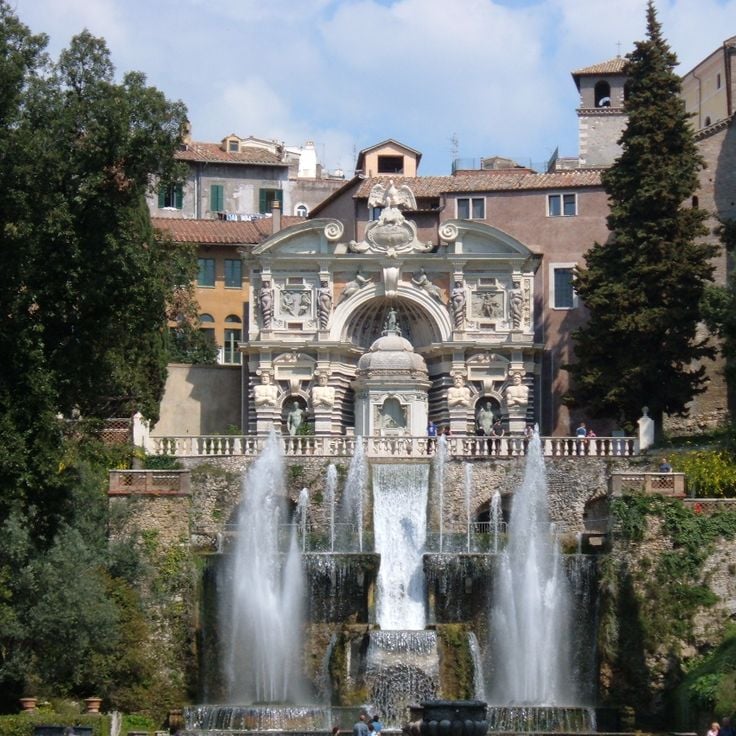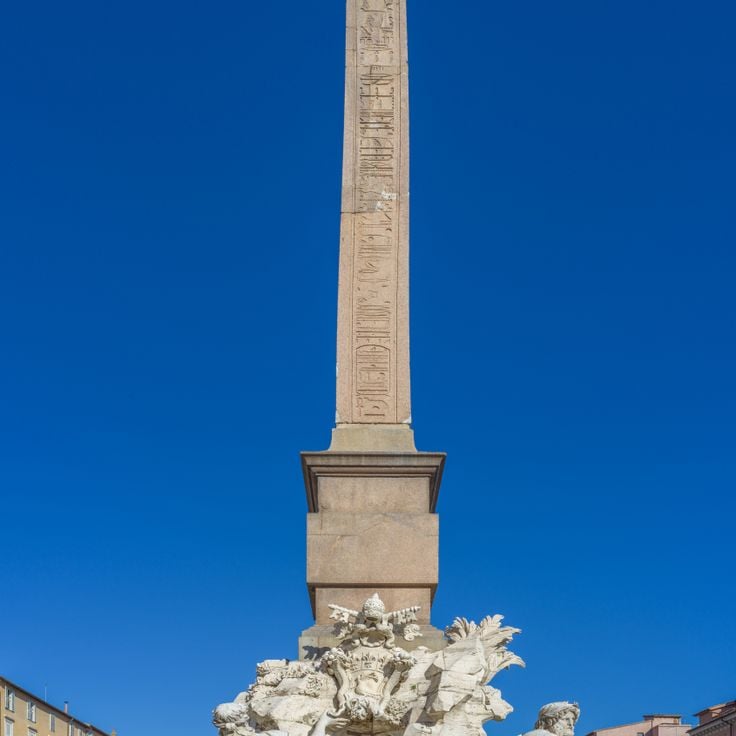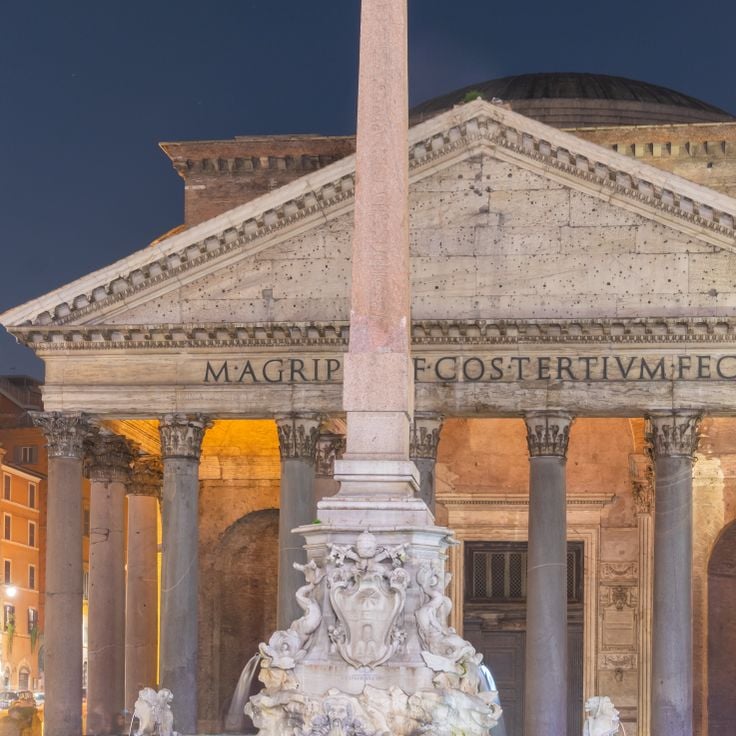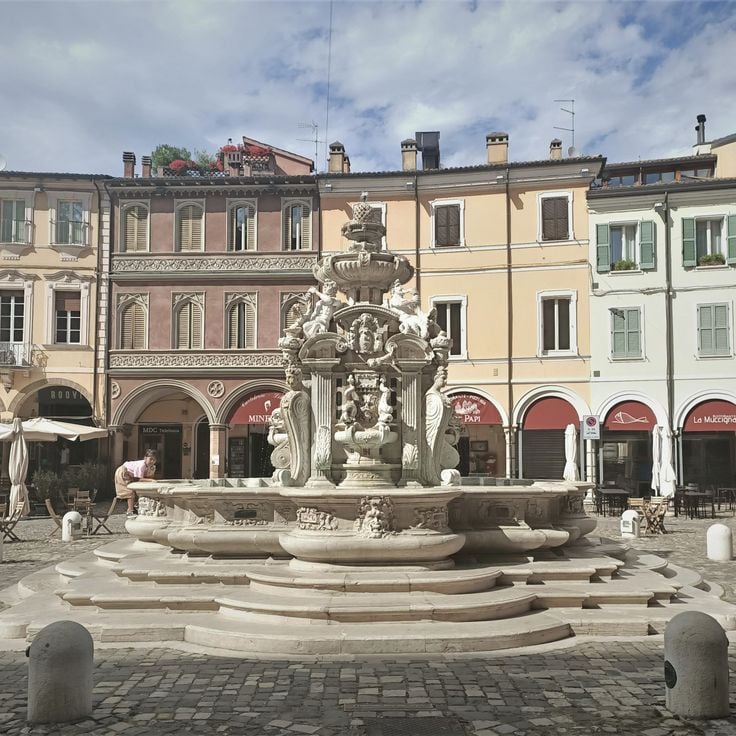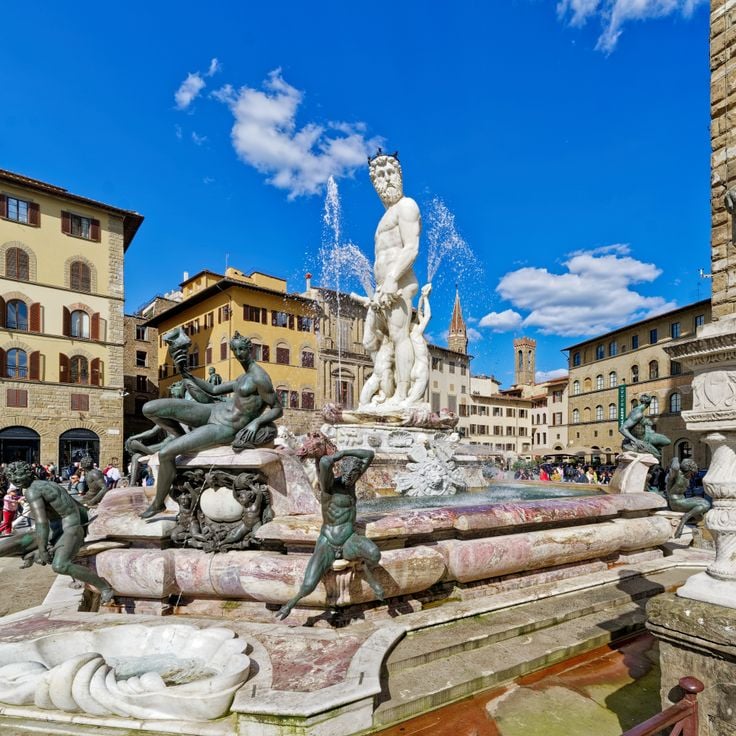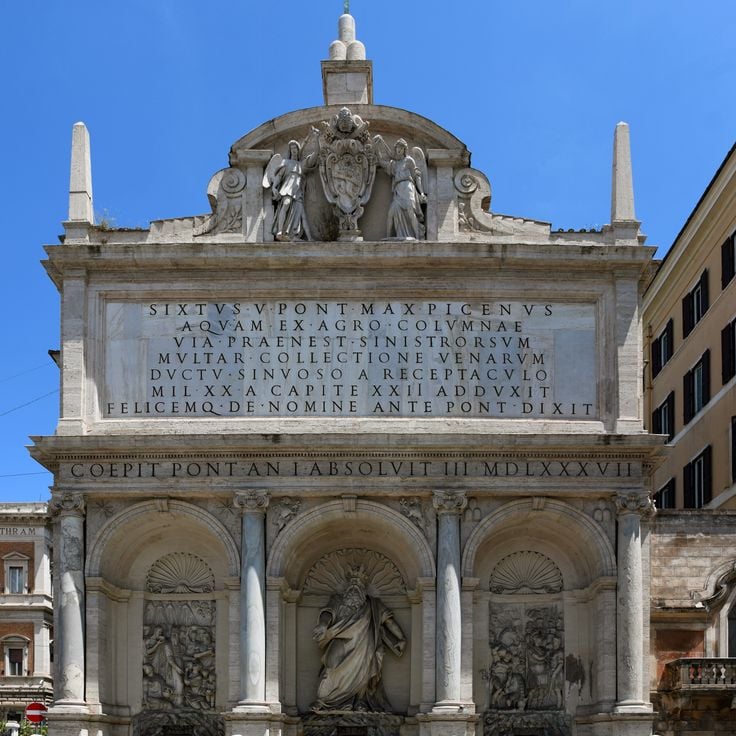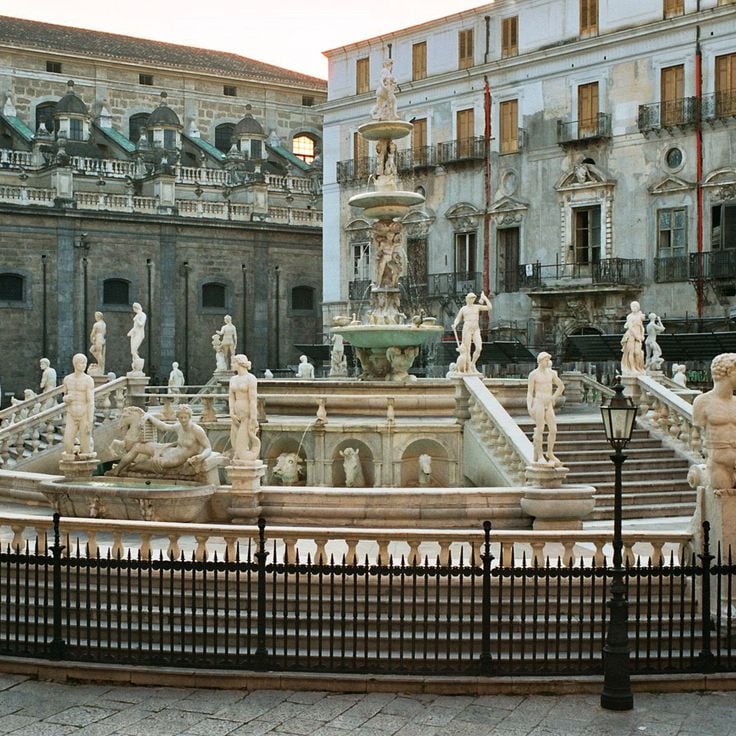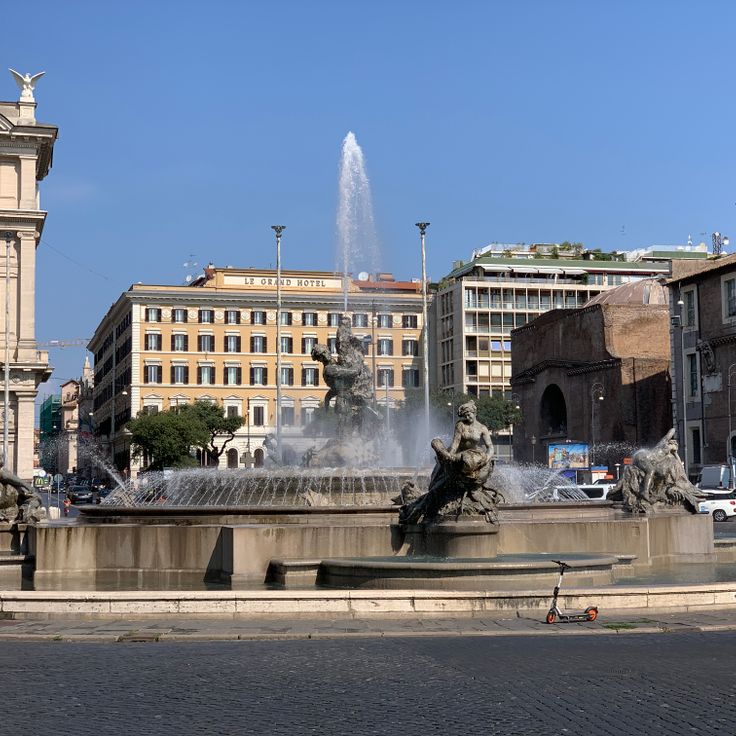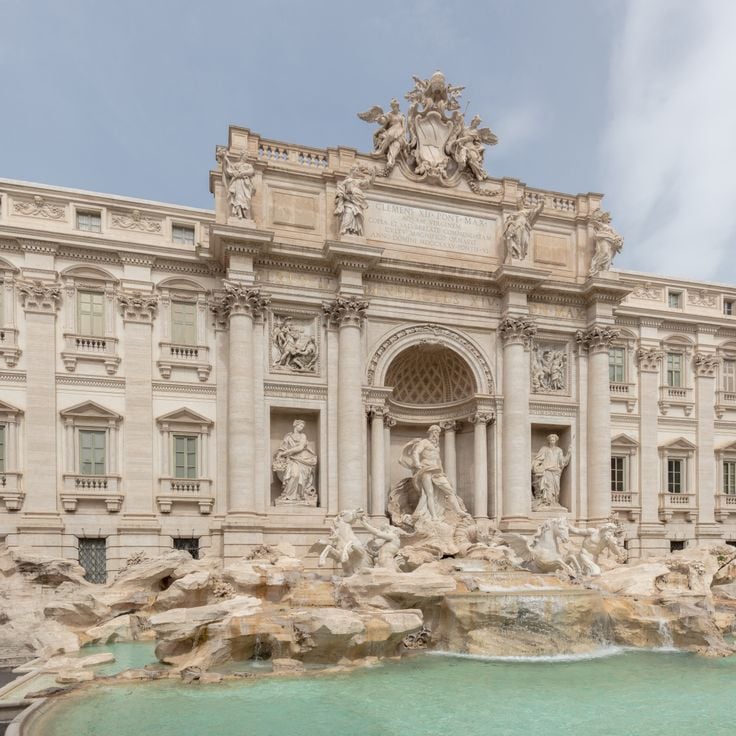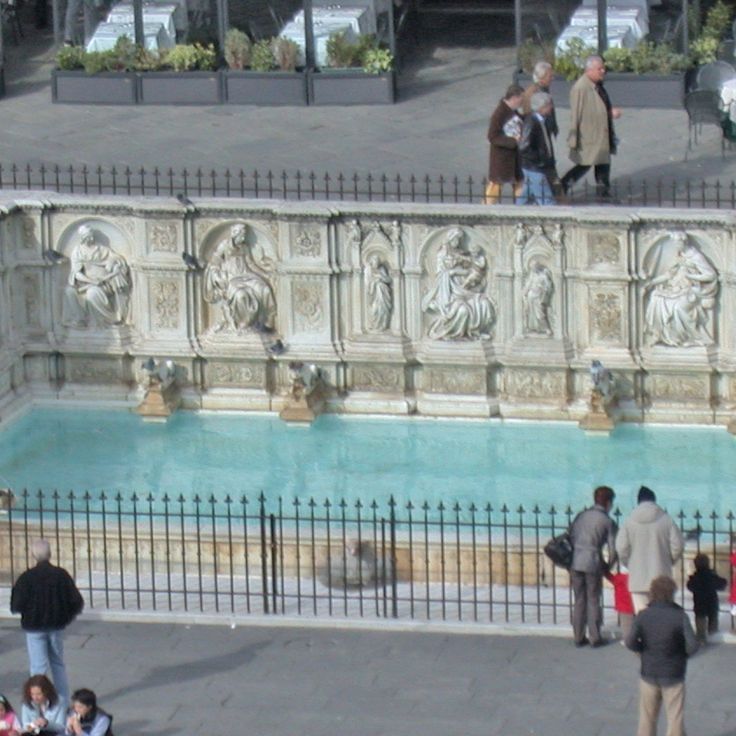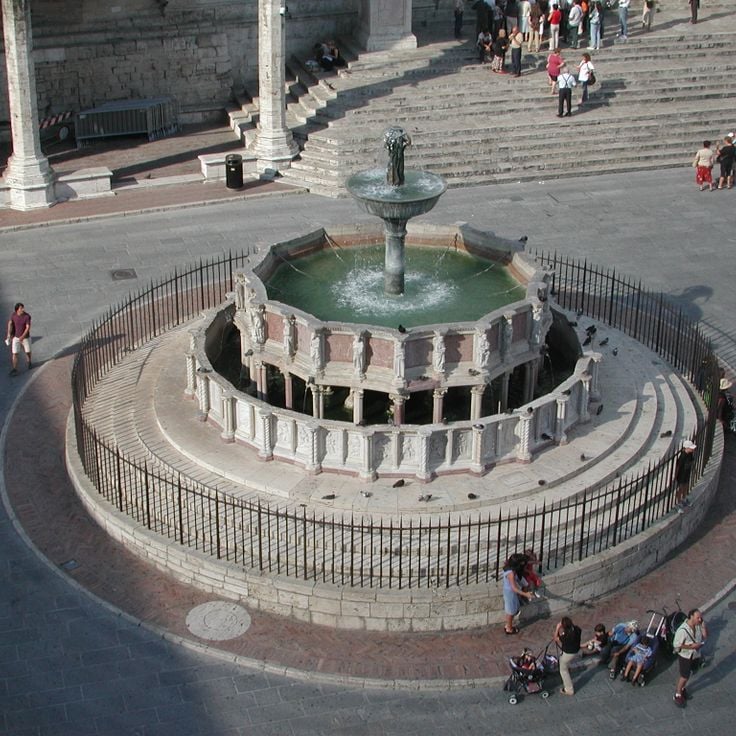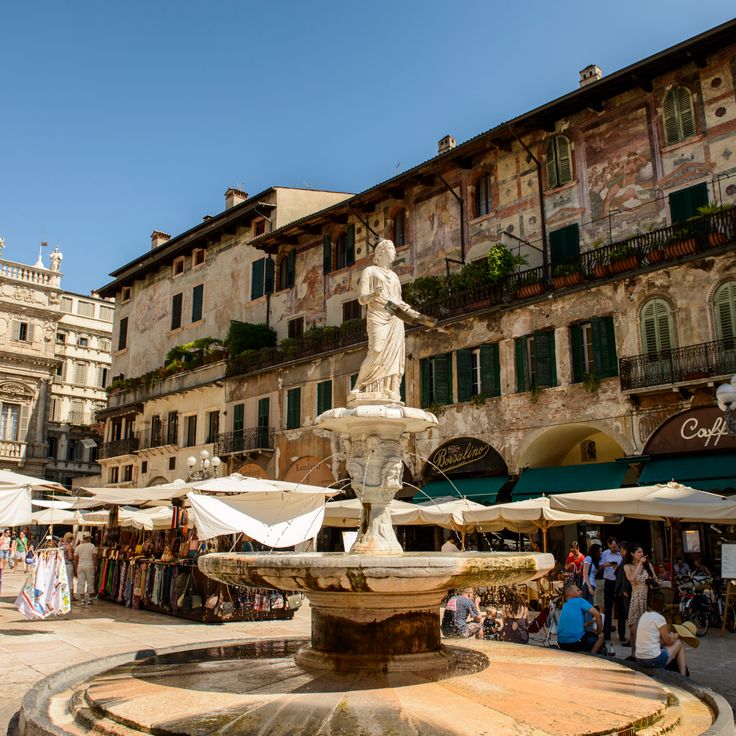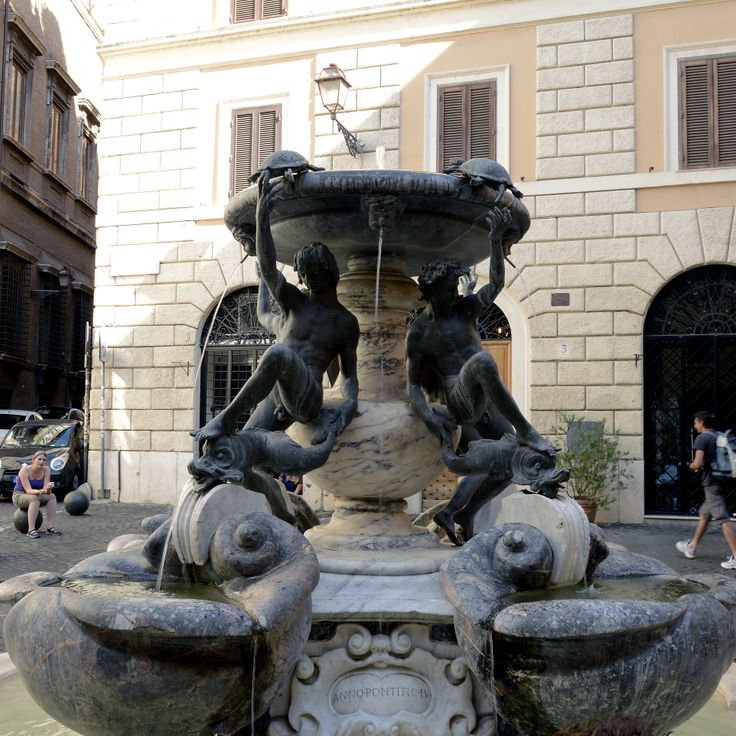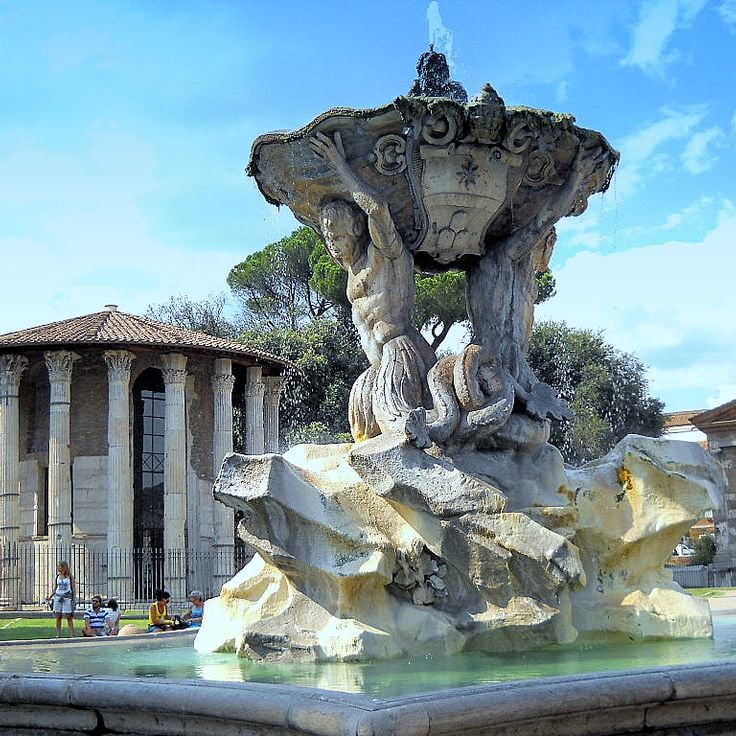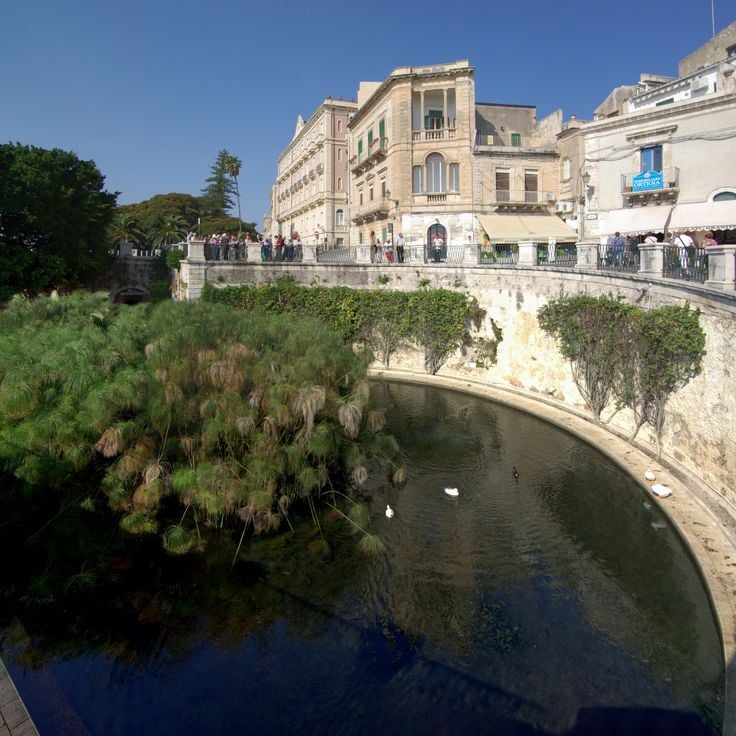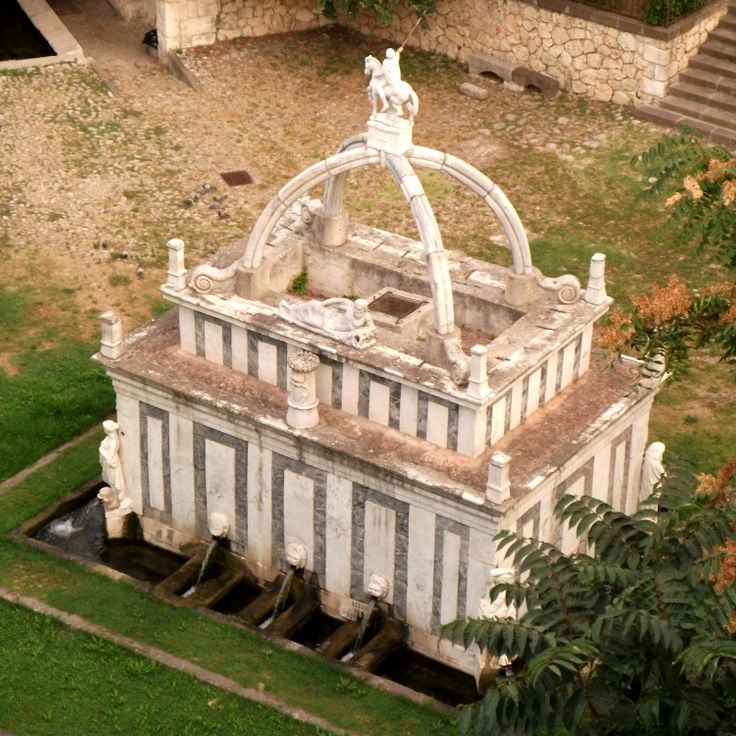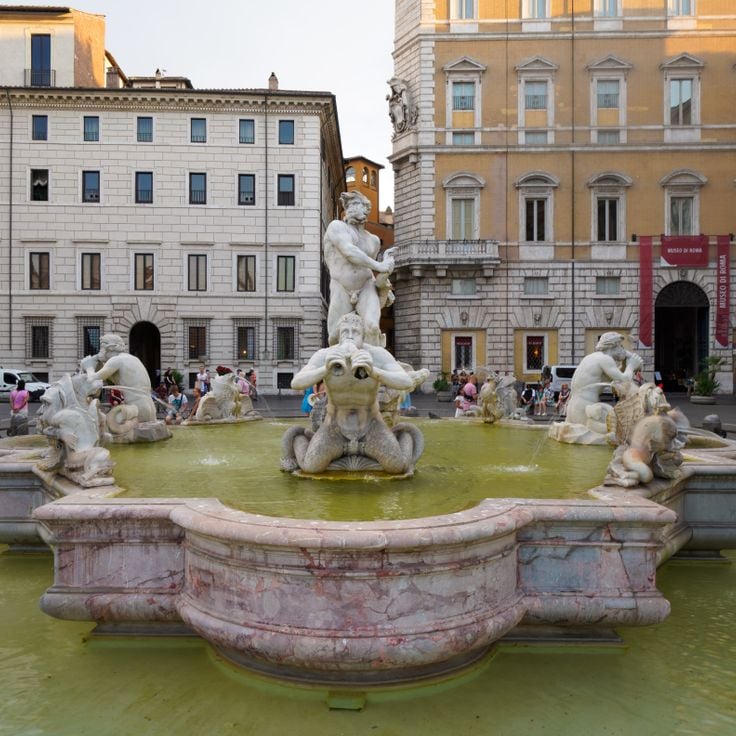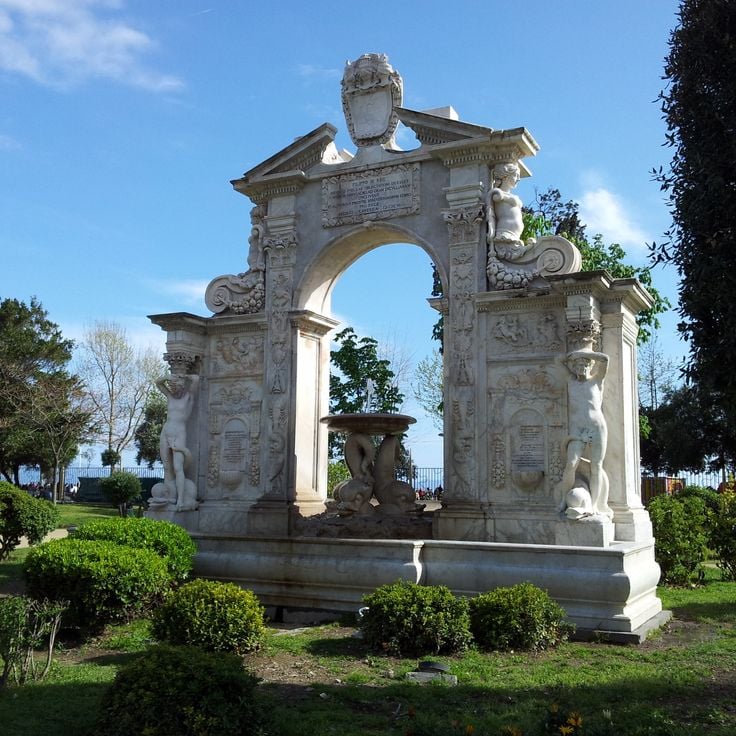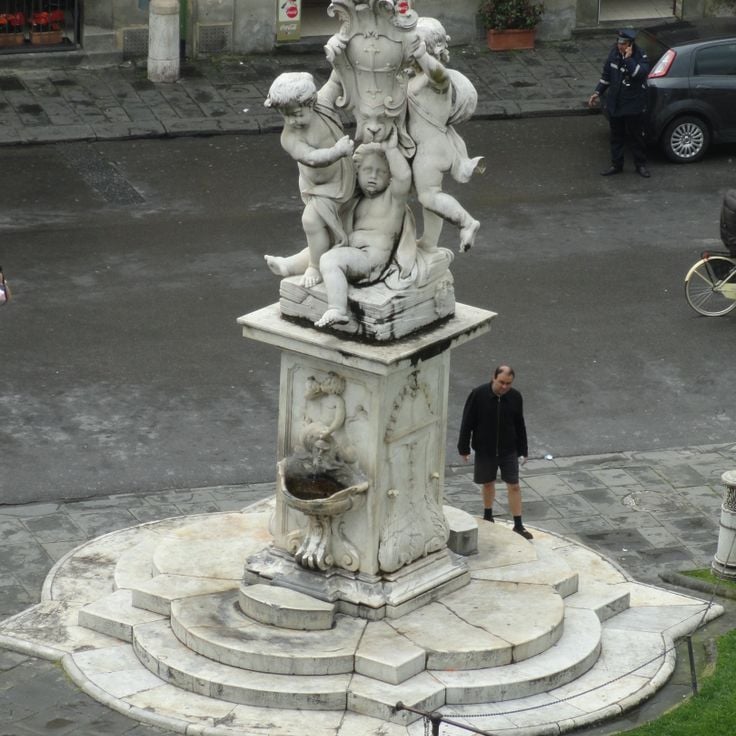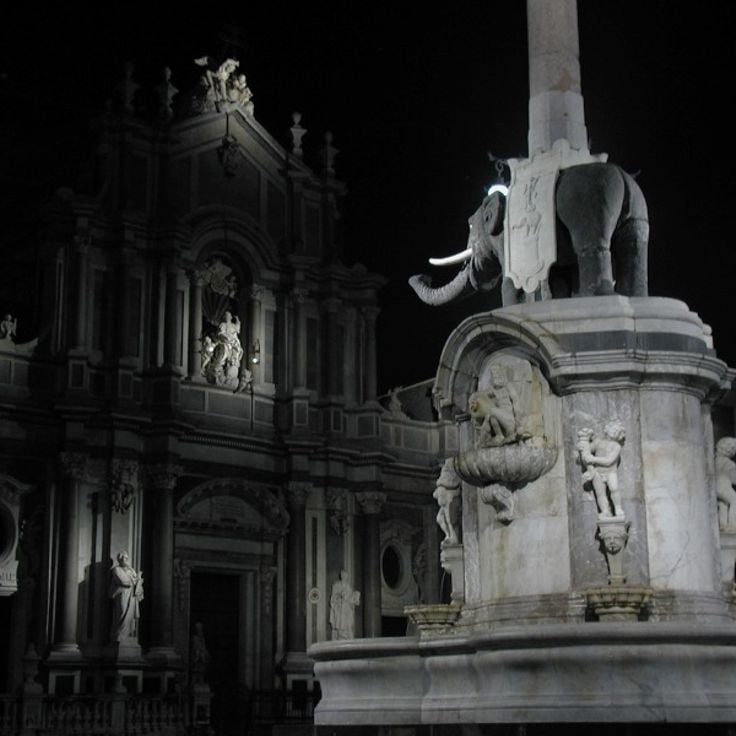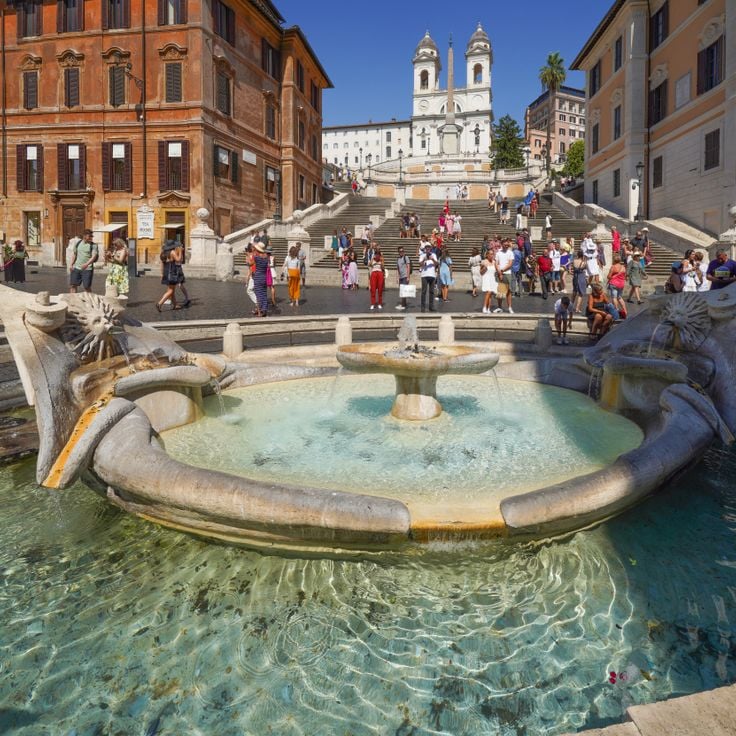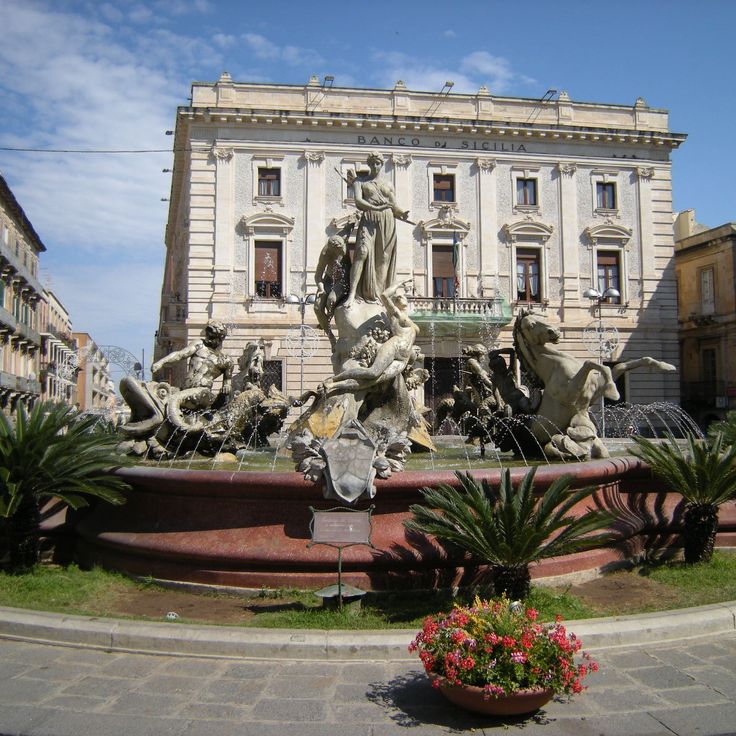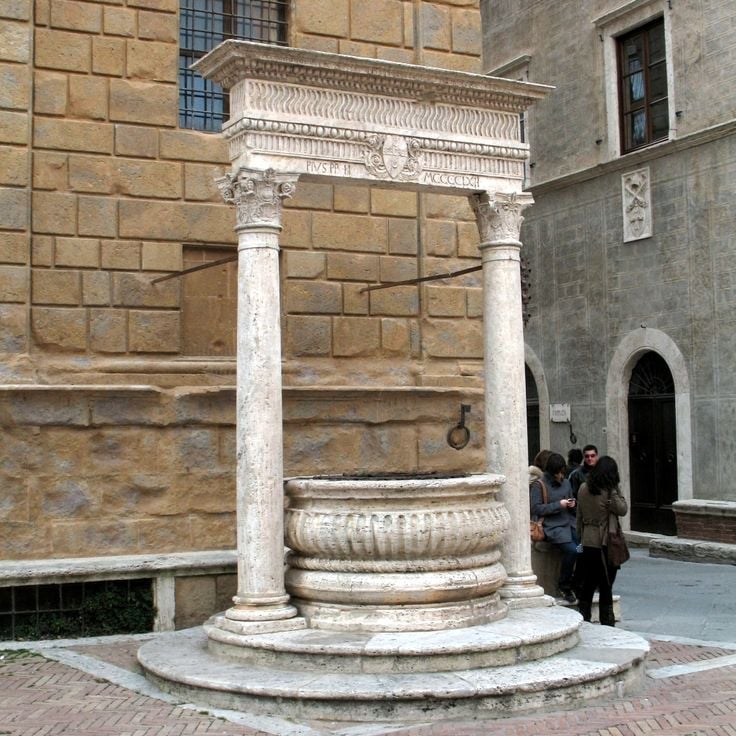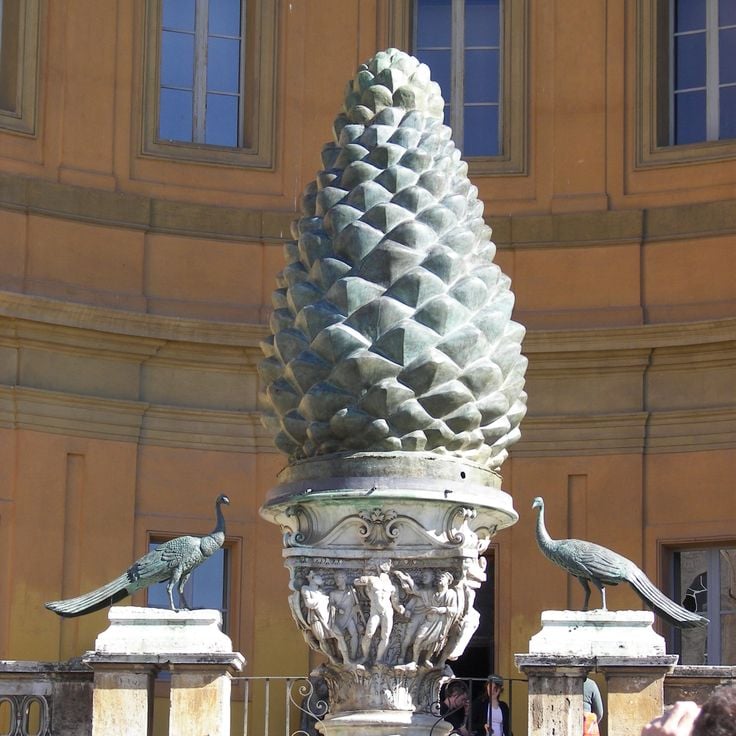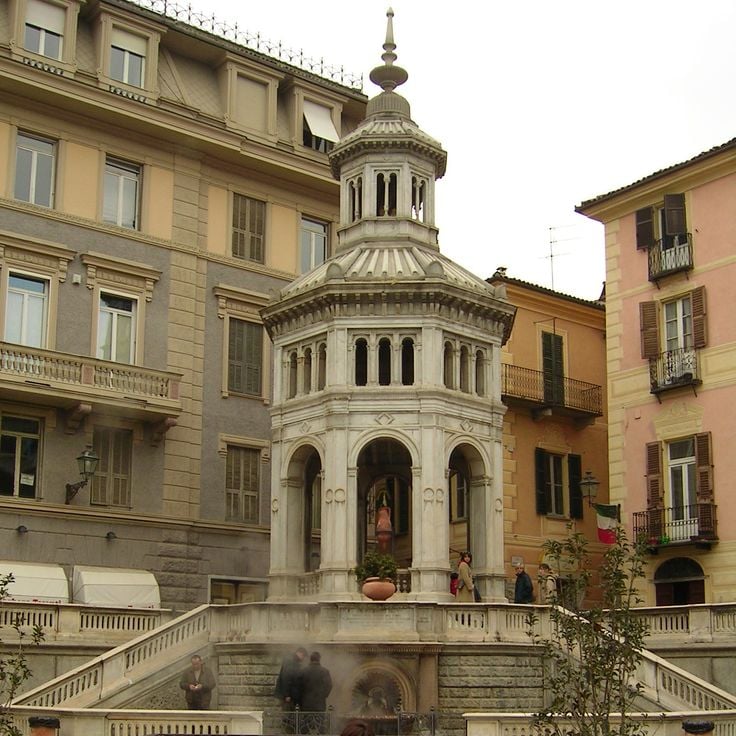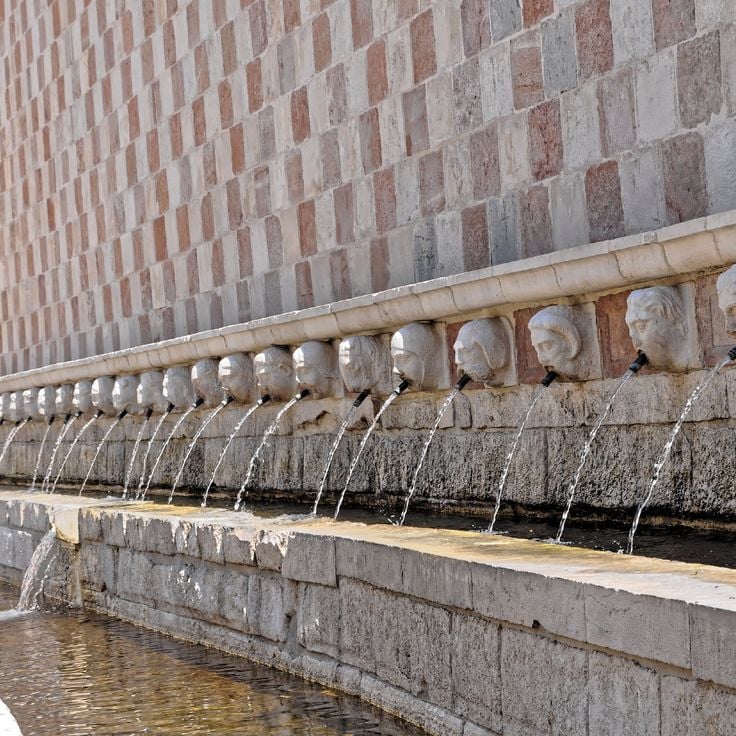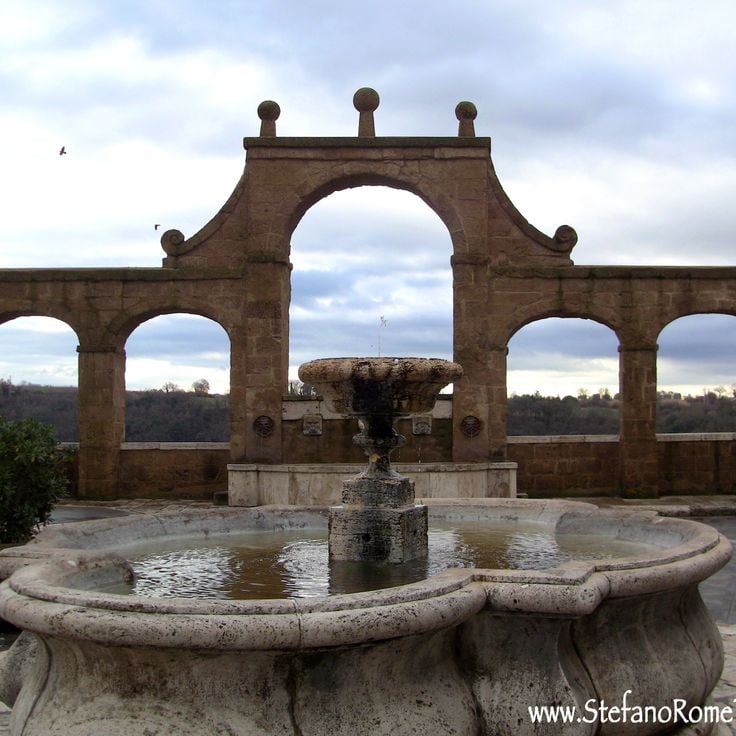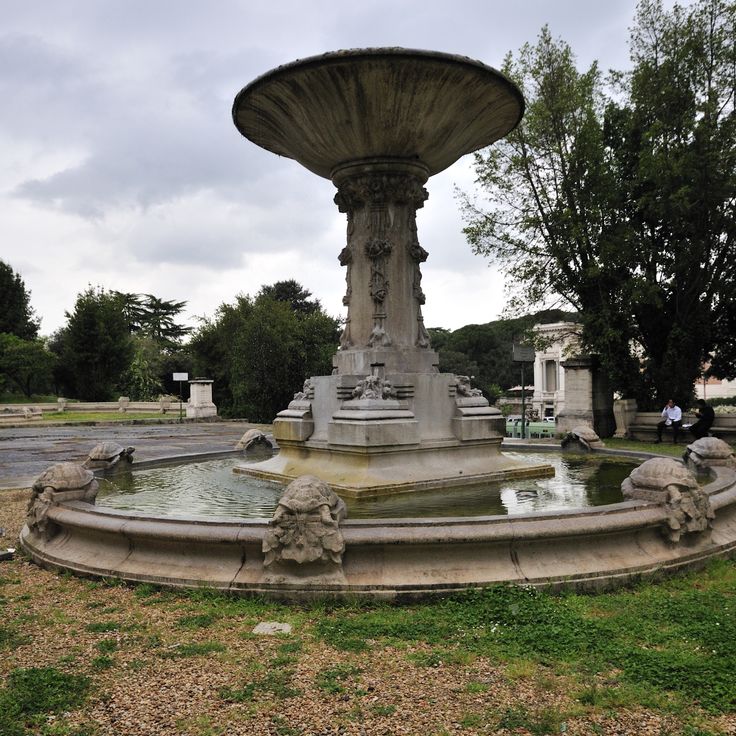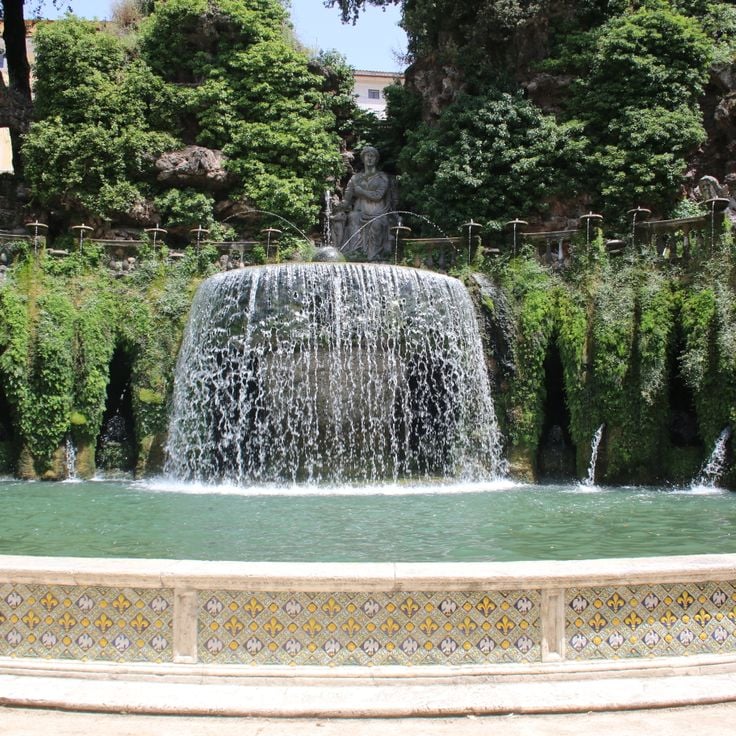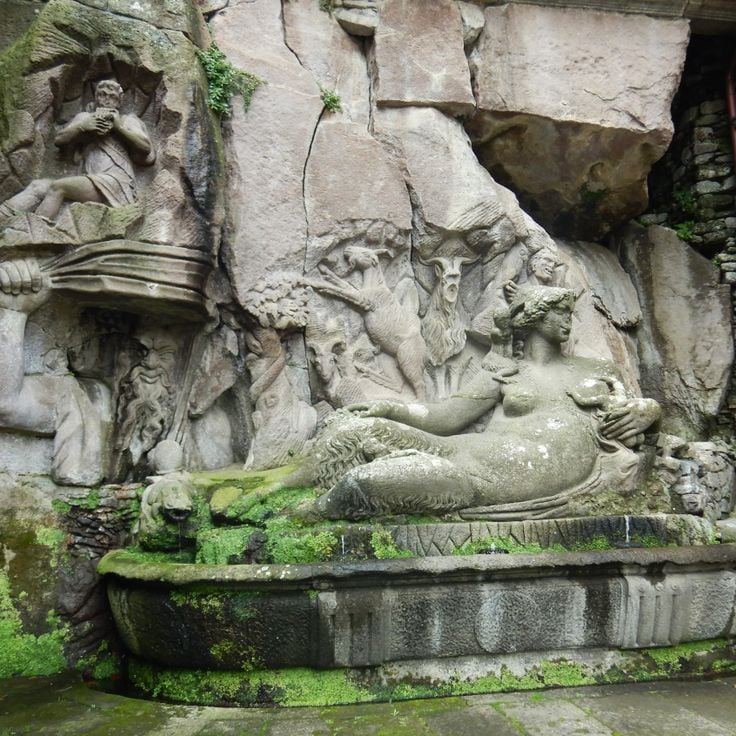
Italian historic fountains demonstrate five centuries of craftsmanship in sculpture, hydraulic engineering, and urban design. From the 15th to the 19th century, Italian artisans shaped marble, bronze, and stone to create works combining practicality and artistic expression. These fountains tell stories from classical mythology, such as Neptune and marine deities, or from the Bible, like Moses drawing water from the rock. They also celebrate the political power of great families and the identity of Italian cities. In Rome, the Trevi Fountain extends 86 feet (26 meters) high with baroque sculptures, while Bernini's Fountain of the Four Rivers symbolizes continents on Piazza Navona. In Florence, Neptune sits above the Piazza della Signoria, recalling the Medici family's maritime ambitions. The gardens of Villa d'Este in Tivoli feature 51 fountains spread across multiple terraces, showcasing Renaissance hydraulic mastery. These works reveal how water has shaped Italy’s architecture and urban life, from papal Rome to squares in Palermo and Siena.